If you’re planning a trip to Brazil, chances are you’ve already asked yourself: How safe is it?
It’s a fair question, and one worth answering honestly. Brazil is a large, complex, and diverse country. Like many destinations around the world, it has real safety considerations that travelers should consider before planning their travels.
In this guide, we’ll look at the most common safety considerations for visitors, what the country offers in terms of legal and institutional protections for specific traveler profiles, practical ways to reduce risk, and why local expertise can make a meaningful difference when traveling in Brazil.
What Are the Most Common Safety Concerns for travelers?
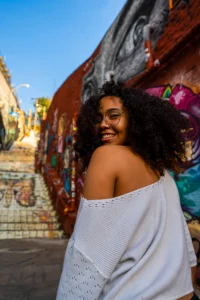 Like many countries that receive large numbers of tourists, Brazil faces some public safety challenges, particularly in major urban areas. The most common issues affecting travelers are opportunistic crimes such as pickpocketing, phone theft, bag snatching, and scams that target distracted visitors.
Travelers, especially foreign travelers, may also encounter situations involving unofficial transportation providers, inflated prices, or individuals offering unsolicited assistance in busy tourist areas. While these incidents are generally non-violent, they can be disruptive and stressful, particularly for a first-time in Brazil.
Official guidance from the U.S. Department of State’s Brazil Travel Advisory recommends exercising increased caution, remaining aware of your surroundings, and avoiding certain higher-risk areas. The advisory also highlights precautions related to transportation, nightlife, and isolated locations after dark. At the time of this publication, Brazil is listed as a “Level 2” country in terms of risk to travelers. Other countries that are Level 2 include Germany, France, the UK, Thailand and Costa Rica. So lots of countries that many don’t even think twice about when it comes to safety, but each with their own precaution needed.
For many travelers, safety challenges arise less from extraordinary situations and more from everyday decisions: how to get from the airport, whether a transportation provider is reliable, which areas are appropriate to explore independently, or how late to stay out in an unfamiliar neighborhood.
Practical preparation often matters more than sensational headlines.
Safety Considerations for Specific Traveler Profiles
Brazil has made meaningful progress in building legal and institutional protections for travelers who may face heightened risks in certain contexts. For women, LGBTQIA+ visitors, and Black travelers, those protections are worth understanding before arrival. They won’t eliminate risk, but because they represent a real framework of safeguards that informed travel planning can draw on effectively.
Travel Safety for Women in Brazil
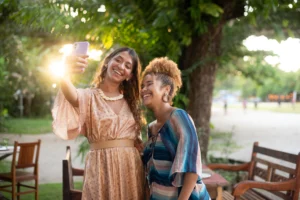 Solo female travel in Brazil has received significant institutional attention in recent years. In 2025, the Brazilian Ministry of Tourism, in partnership with UNESCO, published the Guide for Women Who Travel Alone, a comprehensive resource covering transportation, accommodation, nightlife, and emergency contacts specifically tailored to women traveling independently.
The guide is available in English and Spanish and reflects data from a survey conducted with 2,712 women across Brazil. Among the findings: 63.2% of women consider feeling safe an essential part of a solo trip, and 53.1% describe their perception of safety in Brazil as neutral, seeing the experience as one that requires planning and awareness rather than one that is either completely safe or completely dangerous. And if trouble does arise, know that Brazil has police stations dedicated to servicing victims who are women.
The guide also addresses the tourism sector directly, encouraging hotels, restaurants, and transportation providers to adopt clearer safety protocols for female guests. For women planning a trip to Brazil, it is a practical and well-sourced starting point.
LGBTQIA+ Travelers’ Security in Brazil
 Brazil’s LGBTQIA+ travel market is well-developed and growing, recognized at home and increasingly sought out by international visitors. São Paulo’s Pride parade, held annually in June, regularly draws between three and five million people, making it the largest in the world by attendance. Beyond that single event, destinations including Rio de Janeiro, Florianópolis, Fernando de Noronha, and Bonito have developed genuinely inclusive offerings: Ipanema’s Posto 9 beach area has long functioned as a welcoming gathering point, and Bonito has integrated LGBTQIA+ tourism into its ecotourism model to the point of receiving national recognition for it.
On the accommodation side, Brazil currently has nearly 5,800 Travel Proud-certified properties on Booking.com, a 125% increase in a single year, placing the country sixth globally. São Paulo, Rio, and Florianópolis all rank in the global top ten for inclusive hospitality infrastructure. On the legal side, homophobia is classified as a crime in Brazil, with no statute of limitations.
Brazil’s protections for LGBTQUIA+ travelers are among the strongest in Latin America, though social risks exist and vary by context. We proudly seek to work with suppliers who are queer-owned or queer-affirming, making a practical difference in how an experience feels on the ground for travelers who identify as LGBTQUIA+.
Brazil safety considerations for Black Travelers
 Racial discrimination is a crime under Brazilian law, which provides Black travelers with a clearer path to report incidents and seek institutional support than what exists in many other destinations. In practice, experiences vary. Research from the study Women Who Travel Alone (Ministry of Tourism and UNESCO, 2025) found that among Black, mixed-race, and Indigenous women, 65.35% had already refrained from traveling due to safety concerns, a higher rate than the overall sample of 62.1%.
Visibility matters: travelers who connect with Afro-Brazilian networks, community-based tourism experiences, and operators with genuine roots in Black Brazilian culture tend to report more grounded and welcoming experiences. Brazil’s African heritage is woven into the country’s history, architecture, gastronomy, and music in ways that make it a destination with particular depth for Black travelers, from Salvador’s Pelourinho to the African Diaspora routes across the Northeast. Local guidance helps translate that depth into an itinerary that genuinely reflects it. We tend to prioritize and support black-women-owned businesses for many of our clients’ trips, so do let us know if you’d feel more safe or comfortable with a black guide or driver.
8 Practical Safety Tips for Traveling in Brazil
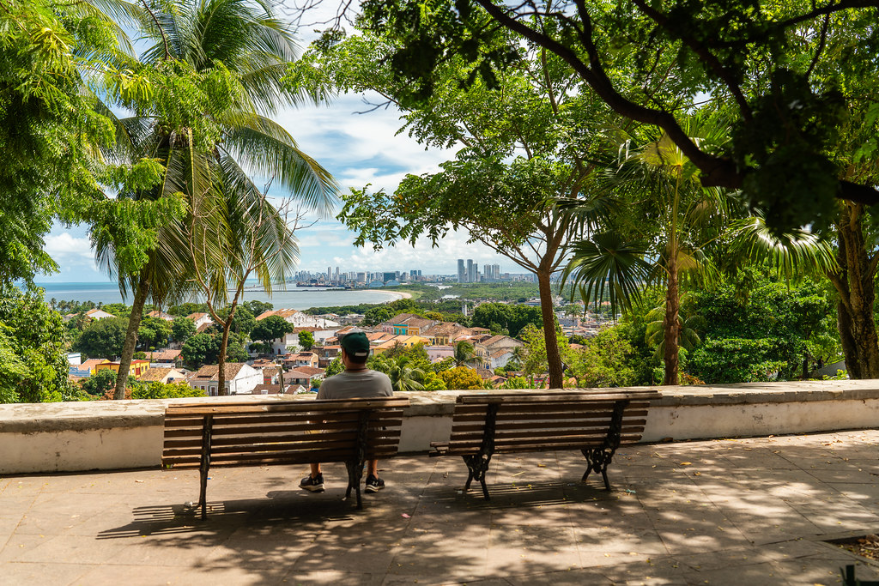
Beyond profile-specific considerations, there are precautions that apply to any traveler in Brazil, regardless of background or itinerary. A few straightforward habits can significantly reduce the likelihood of problems during your trip.
-
Arrange Transportation Before Leaving the Airport
Avoid taking taxis at the airport. Upon arrival, it’s tough to know which are the official operators, since lots of unofficial drivers try to pick up passengers. They will most likely get you to your destination, but there’s no guarantee you won’t be taken for an overpriced joyride. Brazil’s major airports are served by reliable ride-hailing apps. Uber and 99 operate widely across the country and are generally the most straightforward option for first-time arrivals, as they let you confirm the driver’s identity, fare and route before the trip begins. Pre-arranged transfers through your hotel or travel provider are equally recommended, offering the added reassurance that your driver has been vetted and that a local team can assist if your travel plans change. Either way, having a plan before you land removes one of the most common pressure points of arriving in an unfamiliar city.
-
Avoid Displaying Valuables
This applies anywhere in the world, but it’s worth keeping in mind in Brazil’s urban environments, where streets, markets, and public spaces tend to be busy and lively. Expensive watches, flashy jewelry, and cameras are best kept out of sight when moving through crowded areas.
-
Be Mindful When Using Your Phone in Public
Phone theft is among the most commonly reported incidents affecting both visitors and locals in Brazilian cities, and it typically happens quickly, in busy pedestrian areas or near traffic. Avoid using your phone while standing close to the street, and be aware of your surroundings in crowded spots like markets, bus terminals, and popular squares.
-
Use ATMs in Secure Locations
In Brazil, the Banco 24 Horas network is one of the most widely available and reliable ATM networks for international cards, and machines are typically found inside shopping centers, bank branches, and airports. Avoid standalone machines on the street, particularly after dark.
-
Exercise Extra Caution After Dark
Conditions change after dark in ways that aren’t always obvious to travelers. What feels like a straightforward walk in daylight may be less advisable at night. When in doubt, use a trusted rideshare app or pre-arranged transport rather than walking long distances in unfamiliar areas. 6. Carry Cards, Not Cash
Card payments are widely accepted across Brazil, from restaurants and hotels to smaller shops and even many street vendors. International credit and debit cards work well in most destinations. Carrying minimal cash reduces risk and is one of the simplest precautions a traveler can take.
-
Keep Digital Copies of Important Documents
Store copies of your passport, travel insurance, and flight information in a secure cloud account or email folder accessible from any device. In the unlikely event that documents are lost or stolen, having digital backups makes the process of getting assistance significantly faster.
-
Seek Local Advice
Understanding which guides are credentialed, which transportation options are reliable in a given region, how to navigate logistics between very different destinations, and where to find genuine local experiences rather than tourist-facing ones: this kind of knowledge takes years to build. Asking for it from someone who has it is one of the most practical safety decisions a traveler can make.
Why Destination Expertise Makes a Difference
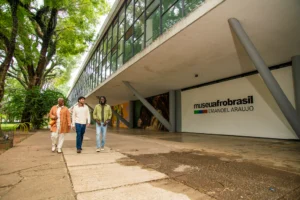 Reading a list of safety tips is straightforward. Knowing how to apply them in a country the size of a continent is a different matter.
Brazil spans five distinct regions, each with its own geography, infrastructure, culture, and logistical realities. A transfer that works seamlessly in São Paulo requires a completely different approach in the Pantanal. An accommodation that suits one type of traveler in one context may not be the right choice in another. The gap between knowing the general rule and knowing how to apply it on the ground, in a specific destination, on a specific day, is where most travel problems actually occur.
Experienced local partners exist to close that gap. A local agency in Brazil doesn’t only book logistics. It makes judgment calls on your behalf, drawing on years of on-the-ground knowledge that no travel advisory or online forum can replicate. It knows which suppliers are reliable and which cut corners on safety. It understands how conditions shift seasonally, regionally, and sometimes day by day. It can adjust an itinerary in real time when something unexpected happens, and in a country as large and diverse as Brazil, unexpected situations are part of the experience.
For independent travelers, that kind of support means arriving with genuine confidence. For travel agencies and tour operators designing itineraries for clients, it means having a local team that functions as an extension of your own, one that is reachable, accountable, and invested in the outcome of every trip.
So, is it safe to visit Brazil?
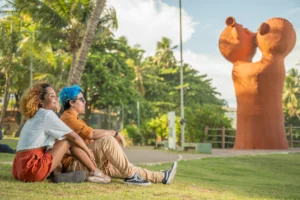 For most international travelers, the answer is yes, with the same caveat that applies to most travel to a country outside of your own: preparation matters.
Brazil’s risks are real, they are well-documented, and they are largely concentrated in specific situations that informed travelers can anticipate and avoid, for the most part. What makes the difference, more often than not, is the quality of the decisions made before and during the trip: who arranges your transportation, where you stay, who guides you, and whether you have someone on the ground who can respond when plans change.
Approached with that level of care, Brazil offers a travel experience that is genuinely hard to find elsewhere, and one that millions of visitors each year find well worth the planning it requires.
Planning a trip to Brazil or looking for a trusted local partner for your clients? Get in touch with Viare Travel to discuss how local expertise can help you build a safer and smoother travel experience.